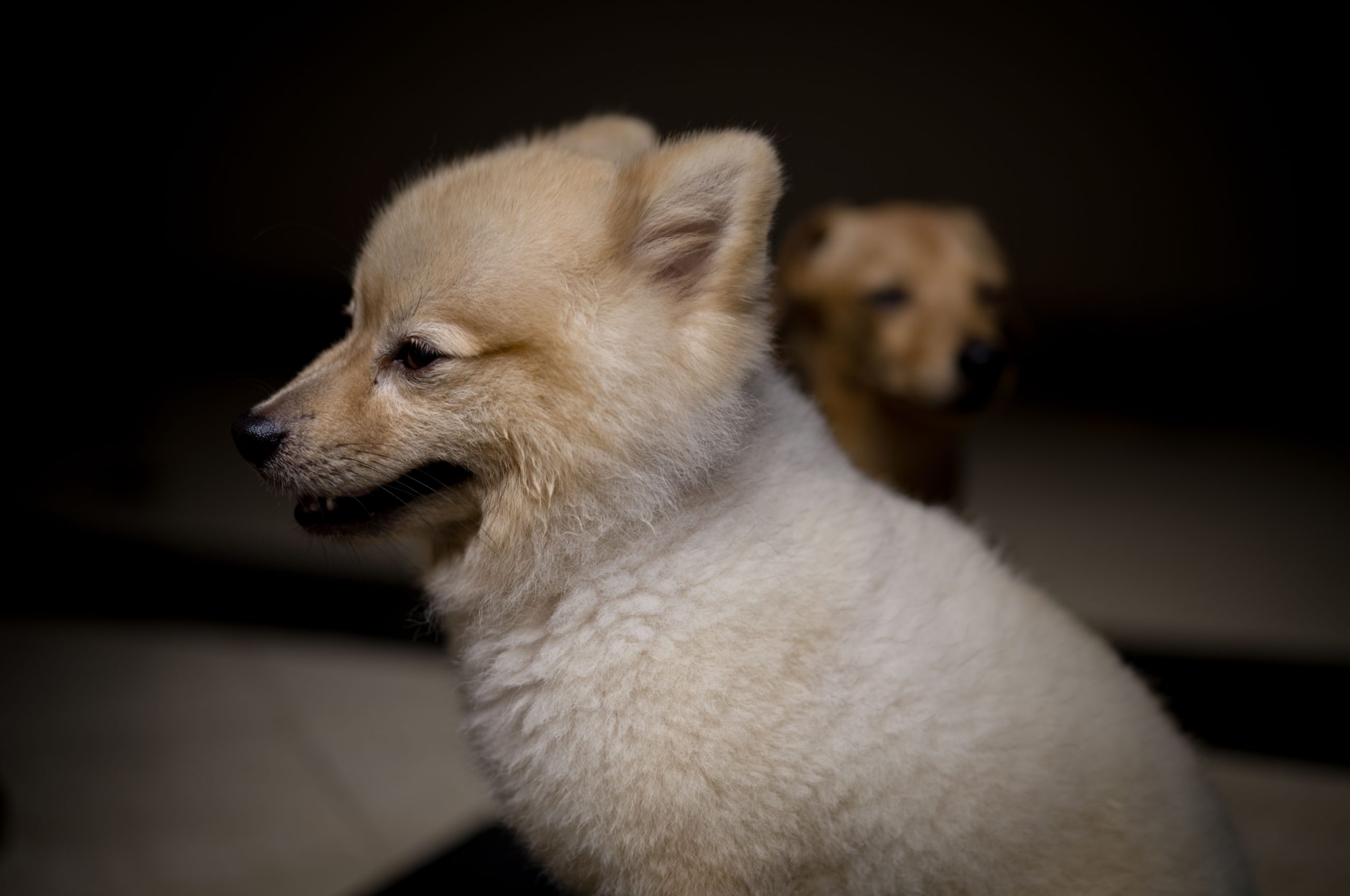
Keeping a dog healthy involves regular care of its coat, skin, teeth, nails and general wellbeing. Dog grooming is an important part of this routine because brushing and bathing can remove dirt, loose hair and tangles while providing an opportunity to notice changes in the skin or coat. Grooming requirements vary according to breed, coat type, lifestyle and age, so some dogs require professional grooming more frequently than others.
Parasite prevention is another important consideration, and an appropriate dog flea treatment can help protect dogs from fleas and the discomfort associated with infestations. Fleas can cause itching and skin irritation, while some dogs may develop more significant reactions. Treatment options vary, so owners should follow product directions carefully and seek veterinary advice about suitable parasite prevention for their dog’s age, size and circumstances.
Maintain a Healthy Coat
Regular brushing helps distribute natural oils through a dog’s coat while removing loose fur and debris. Long-haired breeds may need frequent brushing to prevent knots and matting, while shorter coats may require less intensive maintenance.
Bathing can also help keep the skin and coat clean, but dogs should not necessarily be bathed too frequently. Products specifically formulated for dogs should be used because human shampoos may not be appropriate for canine skin.
Look After Teeth and Gums
Dental health can influence a dog’s overall wellbeing. Plaque and tartar can accumulate on teeth and may contribute to gum disease, discomfort and bad breath.
Regular tooth brushing using dog-specific toothpaste can help maintain oral hygiene. Dental chews and other products may also form part of a dental care routine, but veterinary dental checks remain important, particularly if a dog has persistent bad breath, difficulty eating or visibly damaged teeth.
Check Nails, Ears and Paws
Overgrown nails can make walking uncomfortable and may affect the way a dog places its feet. Nails should therefore be checked regularly and trimmed when necessary.
Owners can also inspect their dog’s ears for unusual odours, discharge or redness. Paws should be checked for cuts, damaged pads, grass seeds or foreign objects, particularly after outdoor walks.
Provide Balanced Nutrition
A balanced diet provides the energy and nutrients dogs need to maintain healthy muscles, skin and coats. Food requirements vary according to age, breed, activity level and health.
Portion control is also important. Excess body weight can place additional strain on joints and may contribute to health problems. Owners who are uncertain about their dog’s weight or nutritional requirements can discuss feeding with a veterinarian.
Encourage Regular Exercise
Physical activity helps dogs maintain fitness and provides valuable mental stimulation. The amount and intensity of exercise required varies significantly between breeds and individual animals.
Walks, games and appropriate training activities can provide exercise while also helping prevent boredom. Exercise routines should be adjusted for puppies, older dogs and animals with health or mobility limitations.
Schedule Regular Veterinary Checks
Routine veterinary examinations can identify health concerns that may not be immediately obvious at home. Vaccination, parasite prevention, dental health and weight can all be reviewed during these visits.
Owners should also pay attention to changes in appetite, behaviour, energy levels, skin, coat or movement. Sudden or persistent changes may require veterinary attention.
Keeping a dog looking and feeling healthy comes down to consistent everyday care. Regular grooming, parasite prevention, good nutrition, exercise and appropriate veterinary care can work together to support a dog’s comfort, appearance and long-term wellbeing.