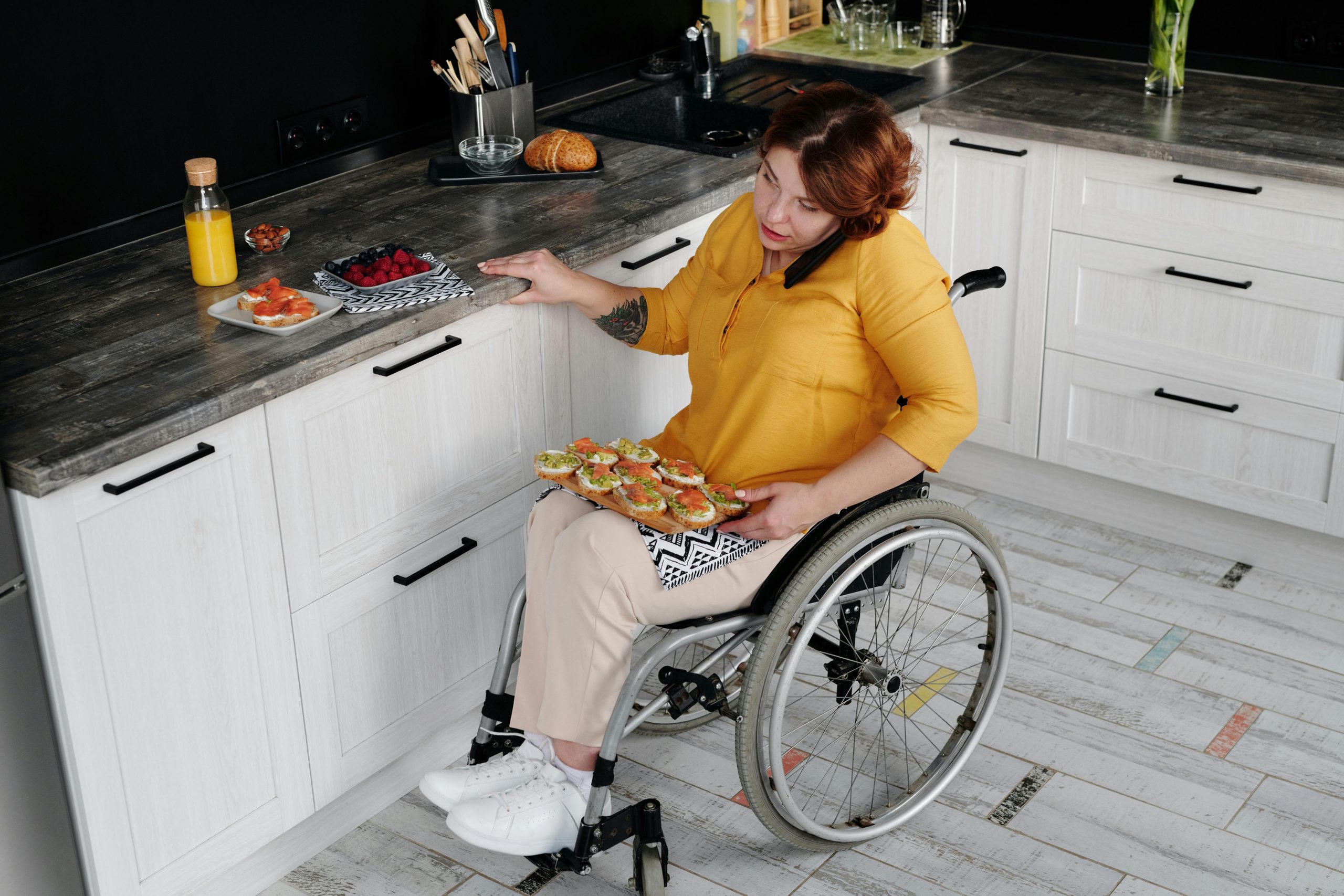
Access to at home care allows many people with disability to receive support while remaining in familiar surroundings. Home-based care services are designed to help individuals maintain independence and improve quality of life through assistance tailored to specific needs. Support may include help with personal care, mobility, meal preparation, medication management, and everyday household activities.
For individuals requiring clinical support, nursing services at home can provide medical assistance including wound care, health monitoring, medication administration, and support for chronic conditions. Receiving nursing care at home may reduce the need for frequent hospital visits while allowing people to continue living in a comfortable environment with established routines and support networks.
In addition to care services, accessible home modifications are increasingly recognised as an important way to improve safety and independence. Features such as custom sliding doors and an automatic sliding door can help improve accessibility for people using mobility aids or wheelchairs. Wider openings and hands-free access may reduce physical barriers within the home and make moving between spaces easier.
Home modifications often focus on improving mobility and reducing injury risks. Common changes include installing ramps, handrails, non-slip flooring, and accessible bathroom fittings. These adaptations help create environments that better support daily living and increase confidence when performing routine tasks independently.
Bathroom renovations are among the most frequently requested accessibility improvements. Walk-in showers, support rails, adjustable fixtures, and improved circulation space can help make personal care activities safer and more manageable. Kitchens may also be modified with lower benchtops, accessible storage, and improved layouts.
Assessment processes are often used to determine both care needs and appropriate home modifications. Occupational therapists and healthcare professionals may evaluate mobility, living conditions, and support requirements before recommending specific changes. These assessments help ensure modifications align with an individual’s goals and functional needs.
Technology is playing an increasing role in disability support within the home. Smart home systems, remote monitoring devices, and voice-activated controls may improve independence by allowing easier management of lighting, temperature, communication, and security systems. Assistive technologies continue to expand options for people with varying support needs.
Funding programs may assist eligible individuals in accessing home care services and modifications. Depending on circumstances and support requirements, financial assistance may be available to reduce the cost of renovations, equipment, or ongoing care. Understanding available funding pathways can help individuals and families plan more effectively.
Family involvement also remains an important part of home care arrangements. Collaboration between support workers, nurses, healthcare providers, and family members contributes to more coordinated care and helps maintain consistency in daily routines.
Choosing home care providers and planning modifications generally requires consideration of qualifications, experience, and the flexibility of available services. Tailored support combined with suitable environmental changes often leads to improved comfort and greater independence.
Overall, combining home care with accessible renovations can create living environments better suited to the needs of people with disability. By addressing both care requirements and physical accessibility, these approaches support safer daily living while helping individuals remain connected to their homes, communities, and preferred lifestyles.